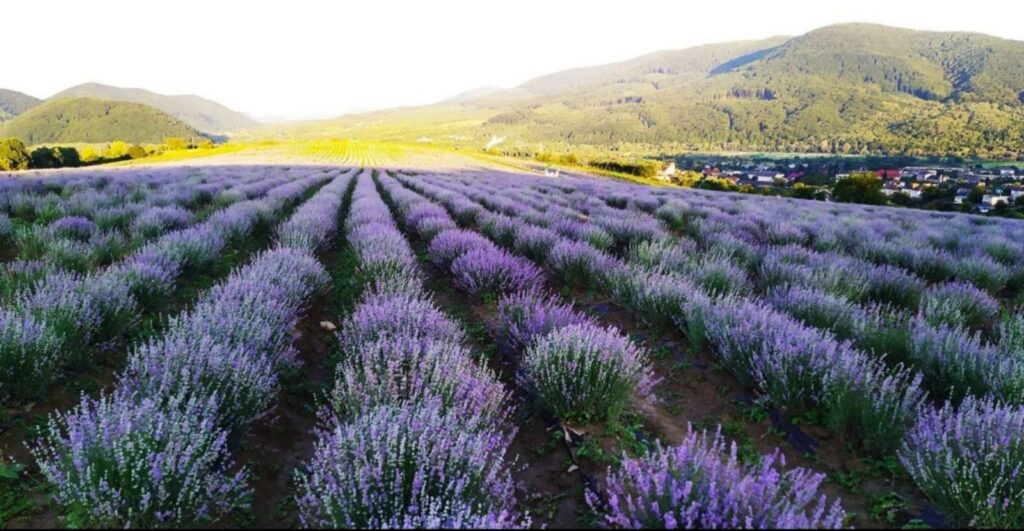

When we open a bottle of lavender essential oil,
we smell the aroma.
But in reality, inside there are dozens of natural components,
each with its own function.
It is like a living formula created by nature.
Main components and their effects
Linalool
One of the key components of lavender.
Gives:
- a calming effect
- stress reduction
- gentle relaxation
It is responsible for that “exhale” feeling when you breathe in lavender.
Linalyl acetate
A component that enhances the effect of linalool.
Gives:
- deep relaxation
- improved sleep
- a sense of comfort and warmth
This is what makes the aroma feel “soft” and enveloping.
Terpenes
A group of natural compounds found in many plants.
Provide:
- antiseptic properties
- support for the immune system
- air-purifying effects
Thanks to them, lavender is widely used in aromatherapy and even in medicine.
Camphor (in small amounts)
Present in lavender in low concentrations, but important.
Gives:
- a mild toning effect
- improved breathing
- a feeling of freshness
It balances the calming effect so it doesn’t feel overly sedative.
Organic acids and microelements
Present in small amounts, but still important.
Provide:
- skin care benefits
- regeneration support
- gentle antibacterial action
How these components work together
The most interesting part is not the individual elements,
but how they interact.
Lavender oil is all about balance:
- it calms without “switching you off”
- relaxes without suppressing
- purifies without being harsh
That’s why it is considered one of the most versatile essential oils in the world.
Why this matters for you
When you use a high-quality lavender essential oil,
you are not just smelling a fragrance —
you are interacting with a natural system that:
- affects the nervous system
- works through breathing
- acts through the skin
- creates an emotional state
And it is the quality of the raw material that determines
whether it will be just a scent…
or a real effect.